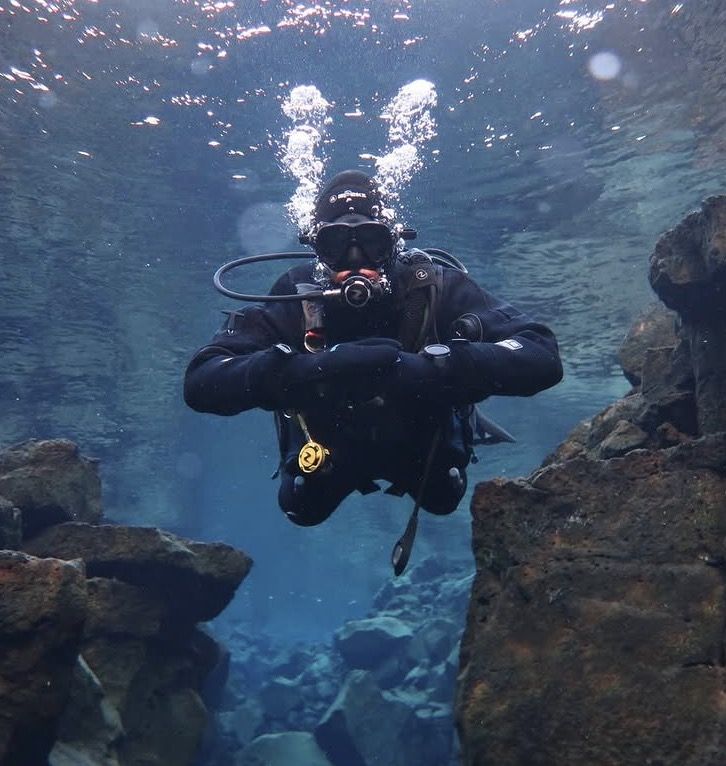
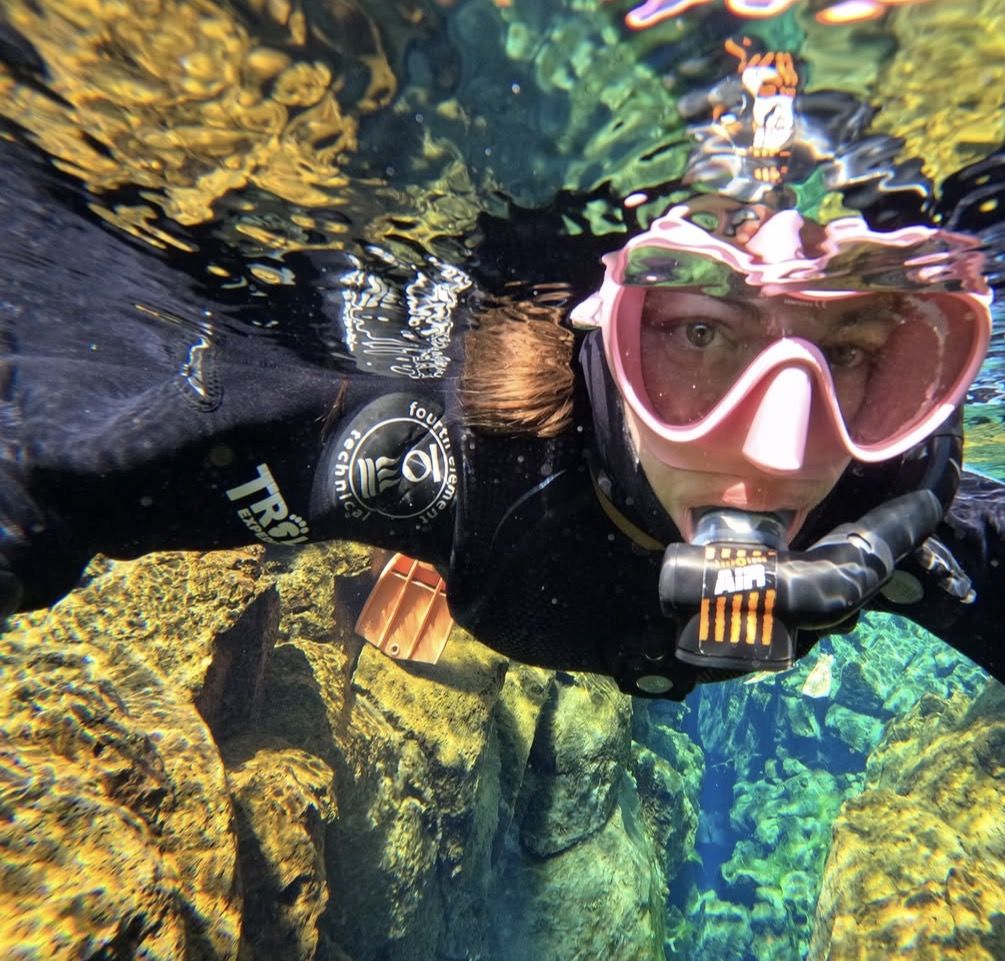
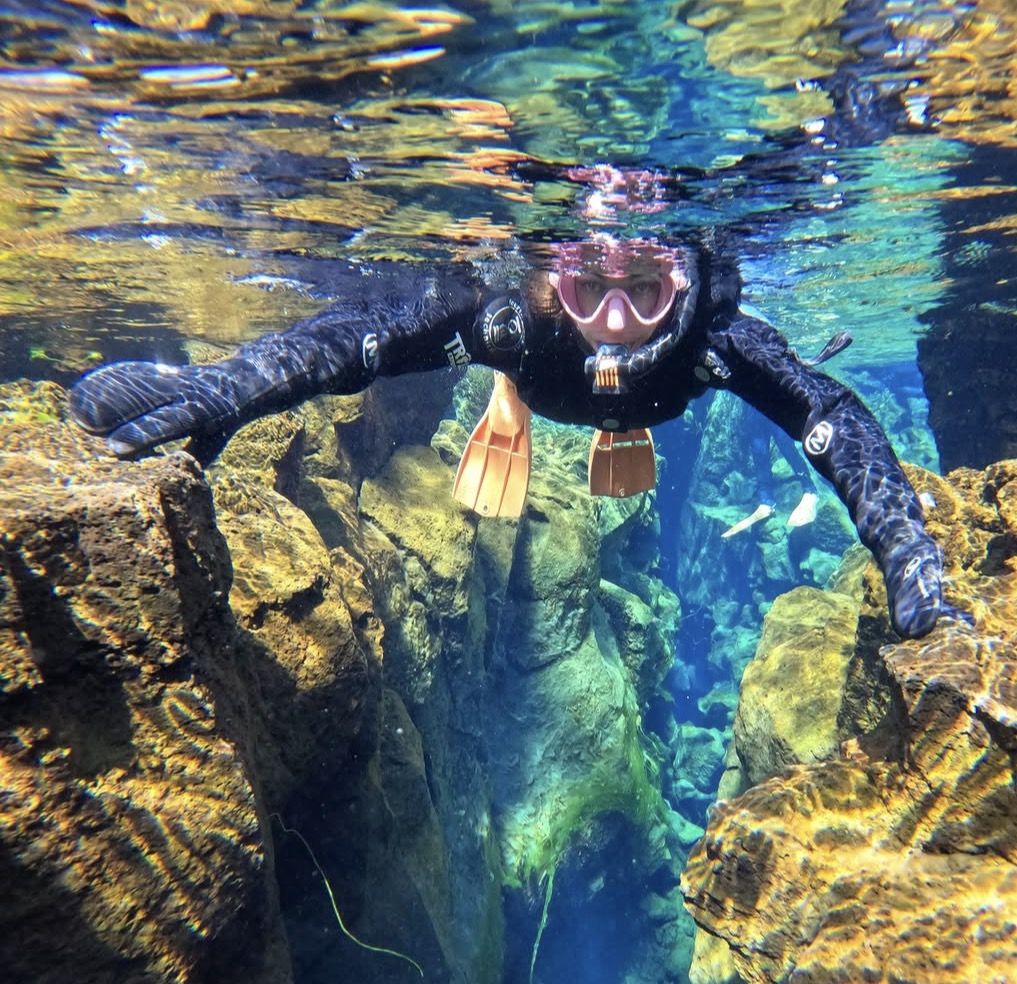
📍 Þingvellir National Park, Iceland

Silfra: Snorkeling Between Two Tectonic Plates

Few places on Earth let you touch two continents at once — this glacial fissure in Iceland does exactly that. Slip beneath the surface and discover water clarity that defies belief, year-round adventure, and one of nature's most jaw-dropping geological spectacles.

Snorkel the World-Famous Silfra Fissure

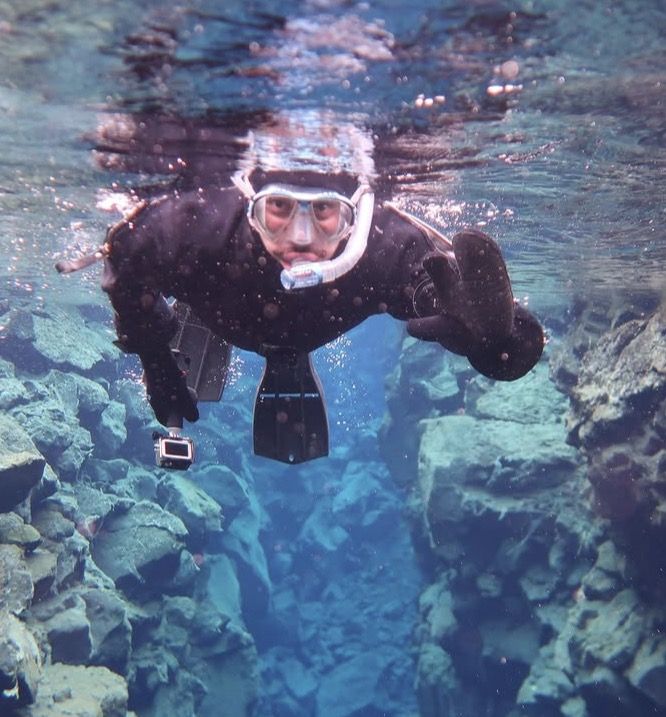
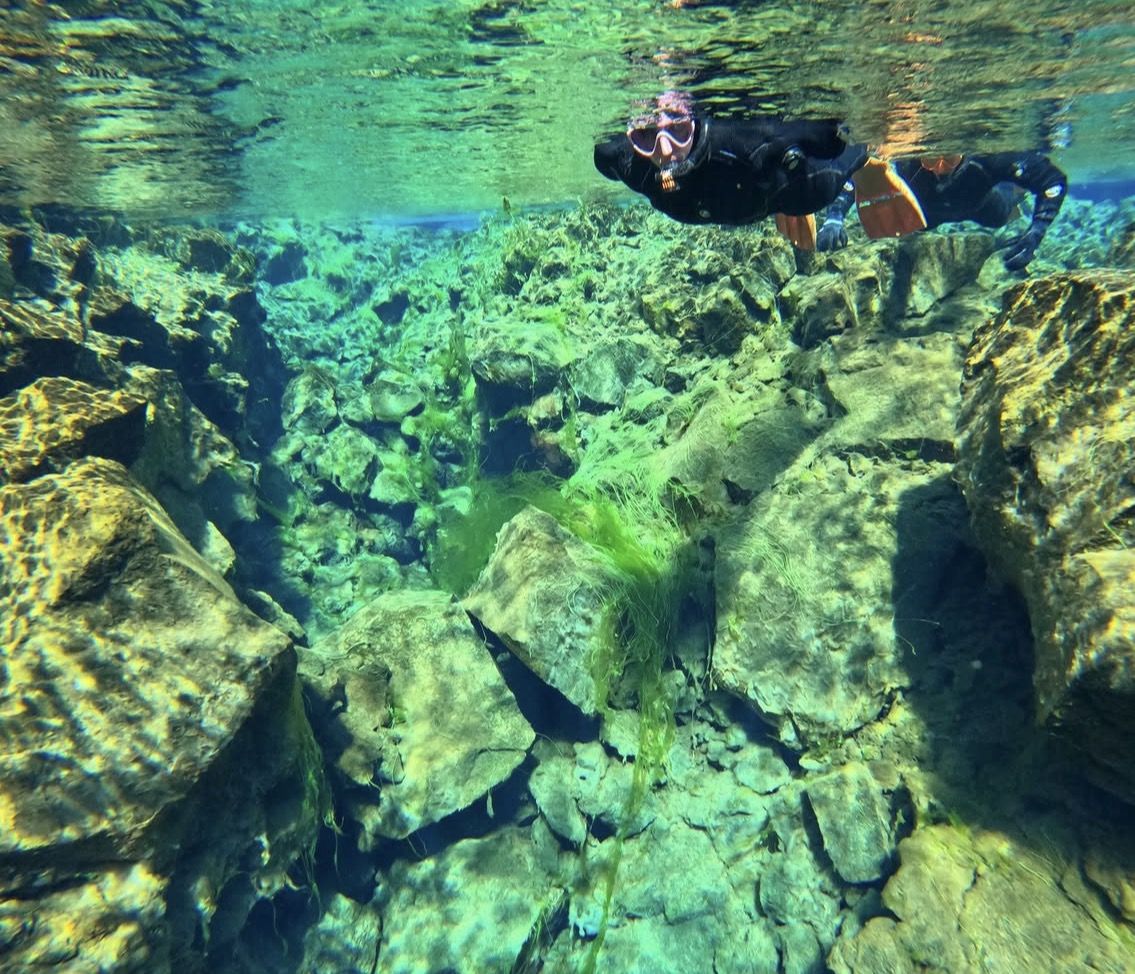
The 'Silfra: Snorkeling Between Tectonic Plates - Meet on Location' tour offers one of the most extraordinary aquatic experiences available anywhere on Earth. You will glide through glacier-filtered freshwater so clear that visibility routinely exceeds 100 metres, admiring vivid greens, blues, and purples that colour the lava rock and algae beneath you. No diving certification is required — if you can swim and feel comfortable in open water, you qualify. Participants are fitted with a full dry suit that keeps your body warm and dry while the pristine water temperature hovers around 2–4°C. The fissure sits inside Thingvellir National Park, a UNESCO World Heritage Site and a celebrated stop on Iceland's Golden Circle route, making this adventure easy to combine with other iconic sights.

  • Float directly on the boundary of the North American and Eurasian tectonic plates
  • Experience 100m+ underwater visibility — among the clearest fresh water on the planet
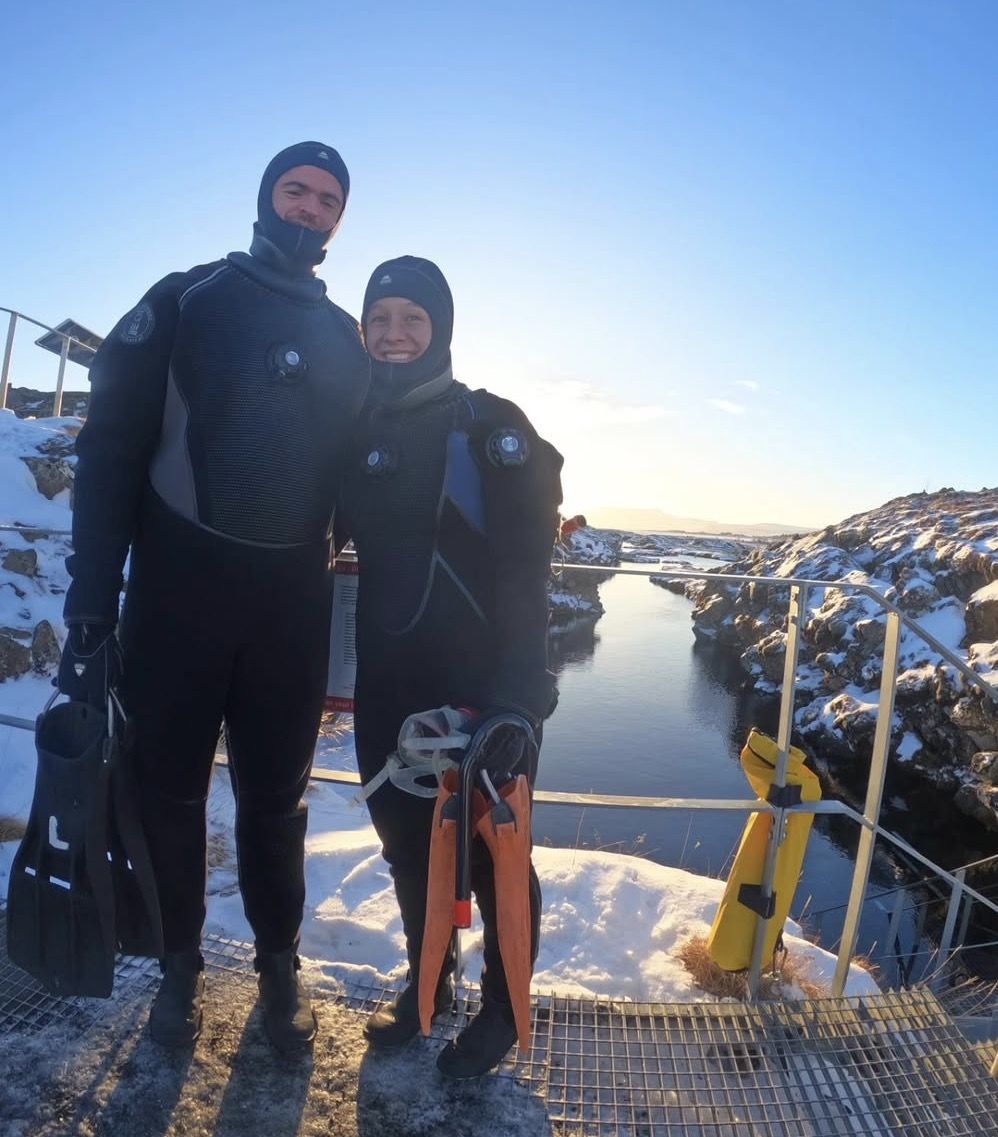
  • Full dry suit provided so you stay warm and dry throughout the swim
  • No scuba certification needed — suitable for swimmers aged 12 and above
  • Located inside Thingvellir UNESCO World Heritage Site on the Golden Circle
Book Now
⭐ Top Rated Silfra: Snorkeling Between Tectonic Plates - Meet on Location

Where Is Silfra and What Makes It Special?

Nestled within Þingvellir National Park, roughly 45 minutes from Reykjavik, this glacial fissure sits at the meeting point of two of Earth's great tectonic plates. It is the only place in the world where you can snorkel or dive directly in the rift between continents.

Þingvellir National Park occupies a dramatic rift valley in southwest Iceland, roughly 50 kilometres northeast of Reykjavik. The park sits atop the Mid-Atlantic Ridge, the boundary where the North American and Eurasian plates slowly pull apart at about 2 centimetres per year. Within this park, the fissure fills with extraordinarily pure glacial meltwater, creating conditions unlike any other freshwater dive or snorkel site on the planet. Its accessibility from the capital makes it a natural addition to any Golden Circle itinerary.

The geological story here stretches back millions of years, but the specific shape of the fissure was dramatically altered by a major earthquake in 1789, which caused sections of lava rock to collapse and widen the crack. Meltwater from the Langjökull glacier — Iceland's second-largest ice cap — filters slowly through porous volcanic rock over 30 to 100 years before emerging in the fissure. This decades-long natural filtration process removes virtually all impurities, producing water that is safe to drink and almost supernaturally clear.

Visitors typically experience the fissure in four distinct sections: the narrow Big Crack entry point, the spacious Hall, the awe-inspiring Cathedral — where walls drop away to reveal the full depth of the rift — and the shallow, photogenic Lagoon at the exit. Each section has its own character, shifting from intimate tunnel to vast open chamber. Water temperature holds steady between 2 and 4°C year-round, meaning a well-fitted dry suit is essential, but also means conditions remain consistently excellent regardless of the season.

🌡️
Water Temperature 2–4°C (35–39°F) year-round
👁️
Underwater Visibility Up to 100 metres
🚗
Distance from Reykjavik ~50 km (45–60 min drive)
🧊
Water Filtration Time 30–100 years through lava rock
📏
Tectonic Plate Drift ~2 cm per year
🏅
Park Status UNESCO World Heritage Site
🌍
2
Continents in One Swim

The fissure sits precisely on the boundary between the North American and Eurasian tectonic plates. Snorkelers can stretch their arms out and touch both continents simultaneously — a feat possible nowhere else on Earth.

💧
100m
Extraordinary Visibility

Water clarity regularly exceeds 100 metres, making it one of the most transparent freshwater bodies on the planet. The absence of algae and sediment, combined with constant glacial input, keeps the water pristine throughout the year.

🧊
2–4°C
Constant Cold Temperature

Regardless of the season or outside air temperature, the water stays between 2 and 4°C. This consistency is possible because the source is deep glacial meltwater that buffers against surface temperature fluctuations.

🪨
4
Distinct Fissure Sections

The snorkeling route passes through four named sections: Big Crack, Hall, Cathedral, and Lagoon. Each offers a different scale and atmosphere, from narrow lava corridors to open chambers with walls plunging into brilliant blue depths.

~1789
Shaped by Earthquakes

A powerful earthquake in 1789 dramatically reshaped the fissure, collapsing sections of the lava shelf and widening the crack into the swimmable channel visitors explore today. Ongoing tectonic activity means the landscape is still slowly evolving.

🥤
Drinkable
Water Pure Enough to Drink

The water emerging from the fissure is so thoroughly filtered through volcanic rock that it is considered safe to drink. Guides often invite snorkelers to taste it directly during the tour — a remarkable novelty for any water activity.

🤿

Snorkeling the Fissure

The most popular activity is a guided snorkeling Silfra Golden Circle tour or a standalone snorkeling session in the fissure. No prior experience is required, dry suits are provided, and the shallow depth of the route makes it accessible to most healthy adults.

🌊

Scuba Diving

Certified scuba divers can descend deeper into the rift to explore the Cathedral's full vertical walls and the shadowy depths below. An advanced open-water certification is typically required, and specialised cold-water dry-suit experience is strongly recommended.

🚶

Þingvellir Park Hiking

Above the waterline, Þingvellir offers marked hiking trails through the lava field rift valley, past ancient Icelandic parliament sites and dramatic geological formations. Many snorkeling Silfra tour from Reykjavik itineraries include time to explore the park on foot.

📸

Underwater Photography

The exceptional clarity and vivid turquoise hues make this one of the world's most photogenic underwater environments. Many tour operators offer waterproof camera rentals or can accommodate guests who bring their own housing-equipped cameras.

🦅

Birdwatching & Wildlife

Þingvellir's wetlands and birch forests support a rich variety of Icelandic bird species, including Arctic terns, golden plovers, and whooper swans. Wildlife enthusiasts can combine a snorkeling session with a leisurely birdwatching walk through the park.

🏛️

Viking History at Þingvellir

The park is also the site of the Alþingi, the world's oldest surviving parliament, established by Norse settlers in 930 AD. Guided history walks and the on-site visitor centre bring Iceland's Viking heritage to life alongside the geological spectacle.

How Silfra Compares to Similar Snorkeling Destinations

Weighing your options? Here's how this Icelandic icon stacks up against other world-class snorkeling and diving sites.

Choosing a once-in-a-lifetime snorkeling destination involves balancing water clarity, accessibility, crowd levels, and the uniqueness of the experience. Silfra offers something genuinely unmatched — tectonic geography, glacial visibility, and year-round access — but travellers with different priorities might also consider warm-water alternatives. This table breaks down how it compares to three other beloved dive and snorkel destinations, helping you decide which best fits your travel style and budget.

CrowdsPriceBest ForWhat Sets It Apart
★ SilfraModerate — managed group sizes€€€ (tours from ~€80–€120)Geology lovers, bucket-list seekersSwimming between two tectonic plates in drinkable glacial water
Great Barrier Reef, AustraliaVery High — major tourist crowds€€€€ (liveaboards & tours)Tropical marine biodiversityWorld's largest coral reef system with unrivalled marine life diversity
Cenotes, Mexico (Yucatán)High near Tulum & Playa del Carmen€€ (tours from ~€30–€60)Cave diving, warm-water snorkelingAncient Mayan sacred sinkholes with cave formations and clear freshwater
Blue Lagoon Marine Reserve, MaltaVery High in summer€ (mostly free access)Casual snorkelers, familiesTurquoise Mediterranean cove with good visibility and easy entry

Each of these destinations has its own magic, but Silfra occupies a category entirely its own. No other snorkeling site on Earth places you physically between two diverging continents in water of such purity. For travellers who want a genuinely transformative, geologically unique experience rather than a conventional tropical reef trip, nothing else comes close to replicating what this Icelandic fissure delivers.

Silfra Everything You Need to Know

Everything you need to plan a smooth, safe, and unforgettable visit to Iceland's most iconic underwater destination.

How to Get to Silfra from Reykjavik and Beyond

Most international visitors fly into Keflavík International Airport (KEF), located about 50 kilometres southwest of Reykjavik. From the airport, shared shuttle buses and taxis run directly to the city centre. The fissure itself is approximately 50 kilometres northeast of Reykjavik, making the total journey from the airport roughly 90 minutes to 2 hours by road. Many travellers choose a Silfra snorkeling tour from Reykjavik that includes round-trip transport, eliminating any navigation concerns.

Once in Reykjavik, the most convenient option is a guided tour with included transfers — coaches typically depart from the city centre in the morning and return by early afternoon. Self-drivers can reach Þingvellir National Park via Route 36, a well-maintained road passable in standard vehicles. Car rental is widely available in Reykjavik and gives flexibility to combine the fissure with other Golden Circle stops such as Geysir and Gullfoss on the same day.

  • ✈️ Fly into Keflavík International Airport (KEF) — Iceland's main international hub
  • 🚌 Guided tours with hotel pickup depart daily from Reykjavik city centre
  • 🚗 Self-drive via Route 36 — approximately 45–60 minutes from central Reykjavik
  • 🔵 Combine with the Golden Circle (Geysir + Gullfoss) for a full-day road trip
  • 🅿️ Free car park at the Þingvellir National Park snorkeling entry point
  • 🚐 Shared minibus tours available — ideal for solo travellers or those without a licence
  • 🛣️ Roads are paved and well-maintained; a 4WD is not required in summer months
Aerial view of the road approaching Þingvellir National Park in Iceland with the rift valley visible below

Best Time of Year to Visit and What to Expect

Unlike most outdoor destinations, this site is genuinely open and excellent year-round, thanks to constant water temperature and all-weather dry-suit gear. That said, summer (June–August) offers the most comfortable above-water experience, with long daylight hours, milder air temperatures, and the most tour operator availability. Winter visits (November–February) reward those willing to brave the cold with the magical possibility of snorkeling under the Northern Lights on evening tours.

Spring and autumn represent a sweet spot for many visitors — fewer crowds than peak summer, reasonable temperatures, and vibrant landscape colours. Iceland's weather is notoriously changeable at any time of year; wind and rain can arrive without warning even in July. Air temperatures above the water range from around -5°C in winter to 15°C in summer, but the water itself never changes, making your in-water experience equally spectacular regardless of when you go.

  • ☀️ June–August: Peak season — longest days, best weather above water, most tour availability
  • 🍂 September–October: Shoulder season — fewer crowds, autumn colours in the park, Northern Lights possible
  • ❄️ November–February: Winter magic — potential Northern Lights viewing during evening snorkeling tours
  • 🌸 March–May: Spring thaw — quieter, great photography light, wildflowers emerging in the park
  • 🌡️ Water stays 2–4°C year-round — the in-water experience is consistent in every season
  • 🌬️ Iceland's weather changes fast — always dress in warm layers for above-water time
  • 🌅 Midnight sun in June–July allows late-evening tours in near-daylight conditions
Snorkeler in a dry suit floating in the turquoise Silfra fissure under bright Icelandic summer skies

What to Pack for Your Snorkeling Adventure

The core snorkeling equipment — dry suit, mask, fins, hood, and gloves — is provided by all reputable tour operators, so you don't need to bring your own. However, what you wear underneath the dry suit matters enormously for comfort. Most operators recommend thick thermal base layers. Wool or fleece underlayers are ideal; denim and cotton should be avoided entirely as they absorb moisture and lose insulation when wet.

Above the water, Iceland's unpredictable weather demands preparation. Even in summer, wind and rain can make the walk to the entry point feel bitterly cold, especially when you're already in your suit. Waterproof outer layers, warm hats, and insulated gloves for before and after the snorkel are strongly recommended. If you plan to photograph underwater, check whether your operator rents housings or GoPro-style cameras — personal waterproof cameras or phone cases with a wrist strap are also worth packing.

  • 🧣 Thermal base layers (wool or fleece) to wear under the provided dry suit
  • 🧤 Warm gloves and a hat for above-water comfort before and after the swim
  • 🌧️ Waterproof windproof outer jacket — Iceland's weather can change in minutes
  • 👟 Sturdy non-slip shoes or hiking boots for the walk to the water entry point
  • 📷 Waterproof camera or GoPro with wrist strap for underwater photos
  • 🎒 Small dry bag to protect valuables (phone, wallet) while you're in the water
  • 🥤 Thermos flask with a hot drink — warming up post-snorkel is essential and very welcome
  • 🩲 Swimwear or thin athletic underlayer to wear directly under thermal base layers
Snorkeling dry suits and gear laid out ready for use at the Silfra fissure entry point in Þingvellir

Insider Tips for Getting the Most from Your Visit

Book your tour well in advance, particularly for summer visits — small group sizes mean slots fill up weeks or even months ahead. Arrive at least 15 minutes early to your meeting point; guides will spend time fitting your dry suit correctly, and a poor fit can compromise both comfort and safety. Listen carefully to the pre-dive briefing, especially instructions on hand signals and the pace of the group. Rushing through the Cathedral section is the most common regret visitors report.

Tipping is not customary in Iceland but is always appreciated for exceptional guides. The park has very limited food options, so bring snacks and a hot drink in a thermos for after your snorkel. Photography is best in the Hall and Cathedral sections where natural light filters through the water at its most vivid. If you're visiting in winter, check whether your operator offers evening Northern Lights tours over the fissure — these are rare but unforgettable when conditions align.

  • 📅 Book at least 4–6 weeks in advance in peak summer — groups are deliberately small
  • ⏰ Arrive early for suit fitting — a properly sealed dry suit is essential for warmth
  • 📵 Leave valuables locked in your vehicle or at the tour meeting point
  • 🔦 Winter visitors: bring a head torch for darker morning departures
  • 🤫 The Cathedral section deserves slow, silent appreciation — don't rush it
  • 🍵 Pack a hot thermos drink — warming up post-snorkel makes a huge difference
  • 🌌 Ask operators about Northern Lights evening snorkel tours in winter months
Tour guide helping a visitor adjust a dry suit at the Silfra fissure entry platform in Iceland

Health Precautions and Safety Information

No vaccinations are specifically required for Iceland, and the water in the fissure is exceptionally pure. However, cold-water immersion is a genuine physical stressor. Most operators impose minimum age limits (typically 12–18 years) and require guests to confirm they have no serious heart conditions, respiratory issues, or recent surgeries. Pregnant visitors are generally advised not to participate. Always disclose any medical conditions honestly when booking — operators ask for your safety, not to exclude you unnecessarily.

The primary safety risk is cold shock from an improperly fitting dry suit, which is why professional fitting at the start of every tour is essential. Never snorkel here without a qualified guide — the current can shift unexpectedly, and the entry and exit points are specific. Emergency services in Iceland are reachable on 112. Þingvellir has a visitor centre with staff, and tour operators carry first aid equipment on site. Travel insurance covering cold-water activities is strongly recommended for all participants.

  • 🏥 No specific vaccinations required for Iceland travel
  • ❤️ Disclose heart or respiratory conditions to your tour operator before booking
  • 🌡️ Cold-water immersion risk is real — never enter the water without a properly fitted dry suit
  • 🚫 Pregnant visitors and children under operator minimum age should not participate
  • 📞 Iceland Emergency Services: dial 112 for all emergencies
  • 🛡️ Purchase travel insurance that specifically covers cold-water adventure activities
  • 👨‍🏫 Always snorkel with a certified guide — solo entry is prohibited in the national park
Safety briefing by a certified guide at the Silfra fissure entry point before a snorkeling tour begins

All Tours

Þingvellir National Park is the gateway to Iceland's legendary Golden Circle — pair your snorkeling adventure with these unmissable nearby attractions.

Silfra What Visitors Are Saying

Travelers share what it's really like to snorkel Silfra — from the jaw-dropping clarity to the icy thrill between two continents.

★★★★★

"Floating between two tectonic plates in water this clear felt completely surreal — like hovering in liquid glass. Our guide was incredibly knowledgeable about the geology and made sure everyone felt safe and comfortable before entering. The dry suit kept the cold manageable, and the cathedral section genuinely took my breath away. Honestly one of the top five experiences of my entire life."

SM
Sophie M.March 2025
★★★★★

"We booked a snorkeling Silfra Golden Circle tour and it turned out to be the perfect way to combine Iceland's most iconic sights in a single day. The fissure itself is otherworldly — visibility stretches so far ahead that you feel like you're flying rather than swimming. The guides were patient, funny, and clearly passionate about the place. I would book this exact itinerary again without hesitation."

LB
Lukas B.June 2025
★★★★☆

"A genuinely spectacular experience that I'd recommend to any adventurous traveler visiting Iceland. The water is even clearer in person than in photographs, which I didn't think was possible. My only minor gripe was that the wetsuit briefing ran a little long, cutting into actual snorkel time. Still, the guides were excellent and the fissure itself more than lived up to every expectation."

CD
Camille D.August 2025
★★★★★

"I chose a Silfra snorkeling tour from Reykjavik and the logistics were completely seamless — pickup was punctual and the drive through the lava fields set the mood perfectly. Once in the water, the silence and clarity made everything feel almost meditative. Touching the rock walls on either side and knowing you're literally straddling two continents is a feeling no photo can capture. An absolute must-do."

JR
James R.May 2025
★★★★★

"The best snorkeling tour I've ever joined, and I say that as someone who has dived in Thailand, Mexico, and the Maldives. There is simply nothing else like this on Earth — the water is glacial, yes, but the dry suit means you're focused entirely on the wonder around you rather than the cold. The lagoon at the end was a beautiful, calm finale to the whole experience. Go. Just go."

YT
Yuki T.July 2025
★★★★☆

"We did the snorkeling between tectonic plates tour and it genuinely delivered on its dramatic premise. The guides explained the geology clearly without making it feel like a lecture, which I appreciated. I'd suggest wearing thermal socks under your dry suit because my feet got quite cold toward the end. Overall an extraordinary adventure and the highlight of our entire Iceland trip."

AK
Anna K.October 2025
★★★★★

"We picked what turned out to be the best Silfra snorkeling tour available — small group size, expert guides, and perfectly organized from start to finish. The visibility in the cathedral section was almost unsettling it was so clear; you could see the floor some thirty meters below. Every member of our group, from nervous first-timers to experienced divers, came out absolutely buzzing. Worth every single króna."

MG
Maria G.April 2025
★★★★★

"I was nervous about the cold water before we started, but the gear fitting was thorough and the guides eased every worry. Drifting through the big crack section with the tectonic walls rising on either side felt like being inside a nature documentary. The water is so pure you can actually drink it straight from the fissure, which our guide demonstrated with a big smile. An experience that will stay with me forever."

EW
Ethan W.September 2025

Watch Silfra Come Alive Underwater

See what snorkeling between two tectonic plates actually looks like — crystal visibility, vivid turquoise depths, and one of nature's most surreal natural corridors.

YouTube video preview showing underwater snorkeling footage inside the Silfra fissure with turquoise glacial water

Find Silfra Fissure

Silfra fissure is located within Þingvellir National Park, Bláskógabyggð municipality, Iceland — accessible via Route 36 from Reykjavik.

Silfra Frequently Asked Questions

Everything you need to know before booking your snorkeling adventure at this iconic Icelandic fissure.

No prior experience is required for snorkeling tours — if you can float, you can do this. Guides provide a full briefing on technique and equipment before entry, and the natural current does most of the work, gently carrying you through the fissure. Diving tours do require a valid PADI or equivalent certification, so check the specific requirements when booking.
The water sits at a near-constant 2–4°C (35–39°F) year-round, which sounds daunting but is very manageable in a properly fitted dry suit. Your head, face, and hands will feel the chill, but the rest of your body stays surprisingly warm throughout the snorkel. Most operators provide high-quality dry suits included in the tour price, so you don't need to bring any specialist gear of your own.
The route flows through four distinct areas: the Big Crack, the Hall, the Cathedral, and the Lagoon. The Cathedral is widely considered the most breathtaking — it's a wide, open chamber where visibility can exceed 100 meters, and the light filtering down through the water creates an almost ethereal atmosphere. The Lagoon at the end offers a calm, shallow area perfect for floating and taking in the experience before exiting.
Yes — the water filtering through the lava rock from Langjökull glacier over several decades is exceptionally pure, and guides often invite guests to taste it directly from the fissure. It's genuinely some of the cleanest natural water on the planet. Just avoid dunking your head repeatedly right away; the cold on your face takes a minute or two to get used to.
Absolutely — the snorkeling Silfra Golden Circle tour is one of the most popular options available, since the fissure sits within Þingvellir National Park, which is the first stop on the classic Golden Circle. Many operators pair the snorkel with visits to the Geysir geothermal area and Gullfoss waterfall, making it a very full and rewarding day. It's a smart way to maximize your time if you're visiting Iceland for only a few days.
The fissure is located about 45–60 minutes from central Reykjavik by car, depending on traffic and road conditions. Most visitors opt for an organized Silfra snorkeling tour from Reykjavik that includes hotel pickup, taking all the logistical stress away. If you prefer to self-drive, the entrance to Þingvellir National Park is well-signposted and there is a designated parking and check-in area at the site.
Participants are generally required to be at least eight years old for snorkeling, though some operators set the minimum at twelve — always check when booking. Anyone with serious heart conditions, asthma, or respiratory issues should consult a doctor before joining, as the cold water and dry suit can place extra demands on the body. Pregnant travelers are typically advised not to participate, and you'll usually complete a health waiver before suiting up.
Wearing a thick thermal base layer — think merino wool or a mid-layer fleece — under the dry suit makes a significant difference to your comfort, especially for your feet and hands. Avoid cotton, as it retains moisture and will make you feel colder. Most tour operators provide clear guidance on what to bring when you receive your booking confirmation, so read that carefully in advance.
Yes, waterproof cameras and GoPros are very welcome and produce stunning results given the exceptional water clarity. Many tour operators rent underwater cameras on-site if you don't own one, which is worth considering since the visual conditions here are unlike almost anywhere else on Earth. Just make sure your camera is properly rated for the depth and temperature before entering.
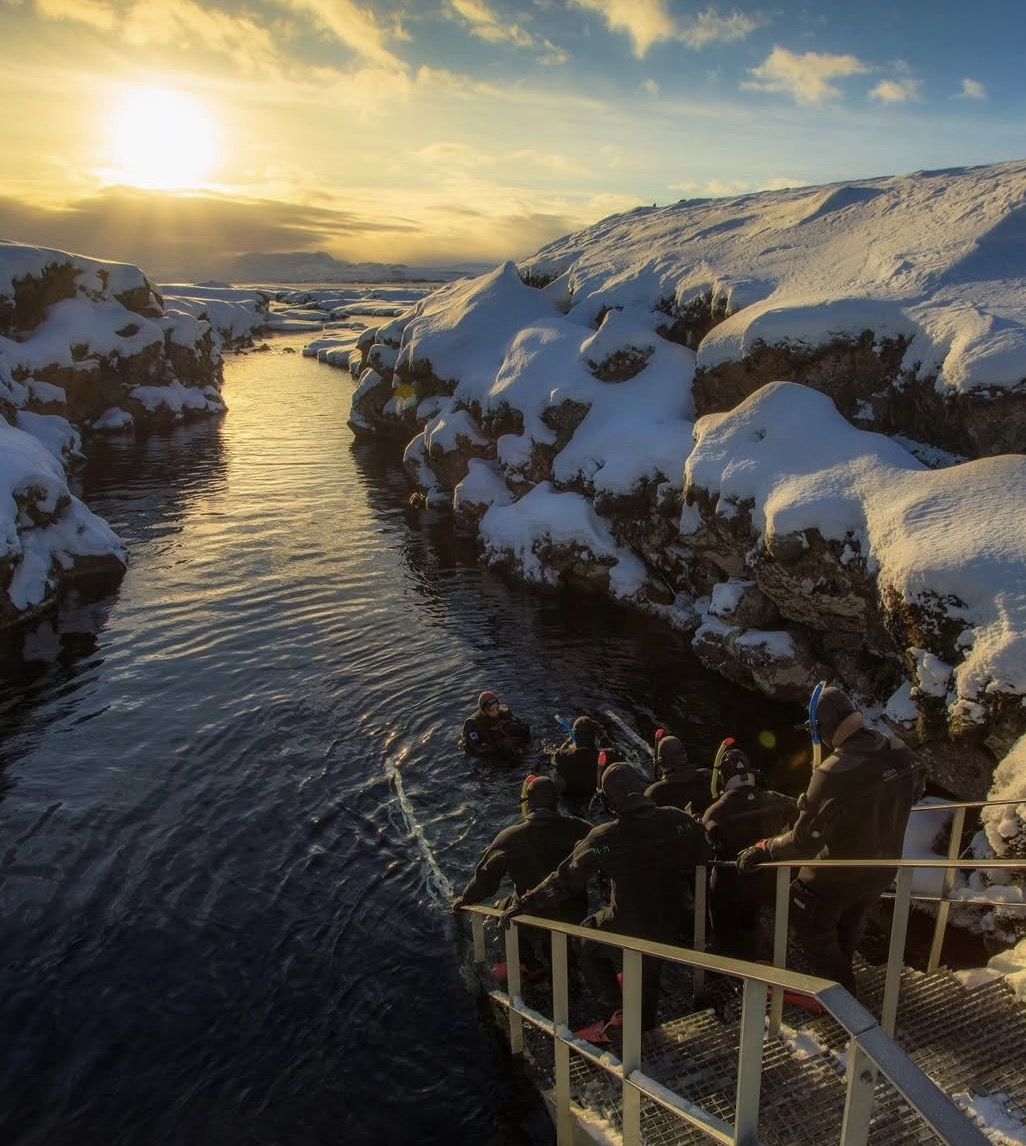
The site is open for tours year-round, and because the water temperature barely changes between seasons, there is no bad time in terms of the in-water experience. Summer offers longer daylight hours and milder air temperatures, making suiting up and drying off more comfortable, while winter visits come with the dramatic possibility of snorkeling beneath a snow-dusted landscape. Bookings tend to sell out weeks in advance during peak summer months, so reserving early is strongly recommended.

Ready to swim between two continents?

Book Your Tour Now

The Geological and Human History of Silfra Fissure

Millions of years of tectonic movement, a dramatic 1789 earthquake, and decades of glacial filtration all converged to create one of Earth's most extraordinary natural swimming sites. The land surrounding it was also the cradle of democracy in the Viking world, home to the Alþingi parliament since 930 AD.

📅 Book Now